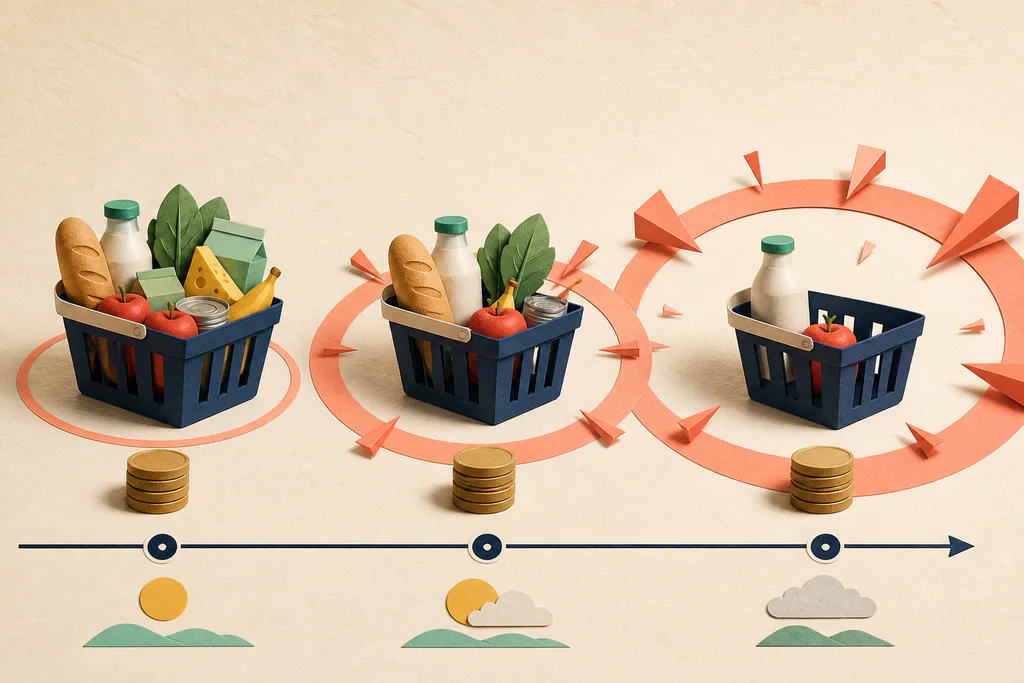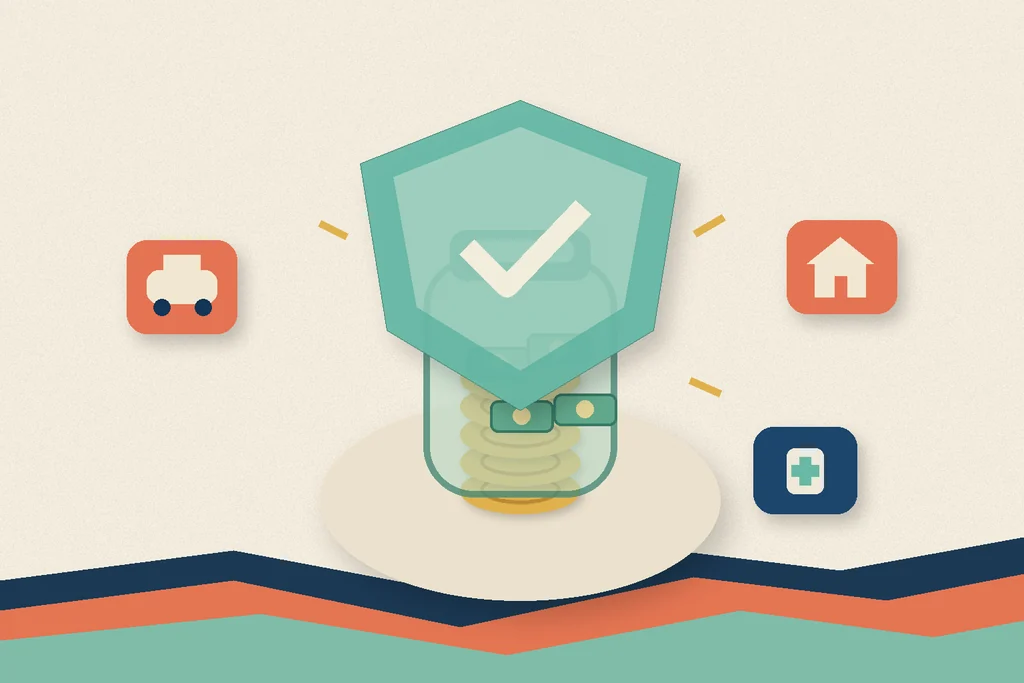
An emergency fund is money set aside specifically for expenses you did not plan to pay from normal monthly cash flow. A car repair, urgent home repair, medical bill, or temporary loss of income can all create a financial shock. A dedicated cash reserve gives you another option besides carrying a credit-card balance, missing a bill, or selling an investment at a bad time.
The difficult question is not whether an emergency fund is useful. It is how much you should keep, where you should keep it, and what actually counts as an emergency. There is no single target that fits every household, so this guide gives you a practical way to calculate your own number instead of relying on a generic rule alone.
What an Emergency Fund Is—and What It Is Not
The Consumer Financial Protection Bureau describes an emergency fund as a cash reserve for unplanned expenses or financial emergencies. The key word is unplanned. Your emergency fund is not the same as money for a vacation, annual insurance premium, holiday gifts, or another expense you already expect.
- Liquid: you can access the money when a real emergency occurs.
- Stable: the balance is not exposed to normal stock-market volatility.
- Separate: it is distinct enough from everyday spending that you do not casually drain it.
The purpose of an emergency fund is resilience, not maximum return. Its job is to be available when the rest of your financial plan gets disrupted.
How Much Should You Save?
You will often hear a target expressed as several months of expenses. That can be a useful planning framework, but the right number depends on how expensive your essentials are and how likely an income disruption is to affect you. Start by calculating the cost of keeping your household functioning.
Step 1: Calculate One Month of Essential Expenses
- Rent or mortgage
- Basic utilities
- Groceries and household necessities
- Transportation required for work or daily life
- Insurance premiums
- Minimum required debt payments
- Medication and essential medical costs
- Childcare or dependent-care costs you cannot pause
Do not automatically use your entire normal spending total. Dining out, entertainment, travel, optional shopping, and extra debt payments may be reduced temporarily during a true income emergency.
Step 2: Choose a Number of Months Based on Your Risk
Once you know the essential monthly amount, decide how much time you want the reserve to buy. A household with two stable incomes, low fixed expenses, strong insurance, and no dependents may choose a smaller reserve than a household relying on one variable income with dependents and a high deductible.
Factors that can justify a larger cushion include:
- One income supports the household.
- Your income is seasonal, commission-based, freelance, or otherwise variable.
- Your industry has long hiring cycles or frequent layoffs.
- You own a home or older vehicle with meaningful repair risk.
- You support children, parents, or other dependents.
- Your insurance deductibles are large.
- You have limited backup resources.
A common planning range is several months of essential expenses, but treat that as a framework rather than a rule. Your target should reflect the problems the fund is supposed to solve.
Example: Building a Personal Target
Suppose your essential monthly expenses are:
- Housing: $1,900
- Utilities and phone: $350
- Groceries: $650
- Transportation: $500
- Insurance and medical: $450
- Minimum debt payments: $350
Your essential monthly total is $4,200. A four-month reserve would be:
$4,200 × 4 = $16,800That does not mean you need $16,800 before making any other financial progress. It gives you a destination you can build toward in stages.
Start With a Smaller First Milestone
A full emergency fund can feel unreachable when you are beginning. The CFPB emphasizes that even a small amount of emergency savings can provide some financial security. A practical first milestone is enough to cover one realistic surprise expense without borrowing.
For one household, that might be a $700 car repair. For another, it might be a $1,500 insurance deductible or one week of essential expenses. Pick a first target connected to your actual risk, reach it, and then keep building.
Where Should You Keep an Emergency Fund?
High-Yield Savings Account
A dedicated savings account keeps the money liquid while allowing it to earn interest. Compare fees, minimum-balance requirements, transfer speed, and withdrawal access—not just the advertised rate.
At an FDIC-insured bank, eligible deposit accounts receive federal deposit insurance within applicable coverage rules. Federally insured credit unions have similar protection through the National Credit Union Share Insurance Fund. Verify that the institution is insured and understand how coverage applies to your account ownership category.
Money Market Deposit Account
A bank money market deposit account can also work when it provides competitive interest and convenient access. Do not confuse it with a money market mutual fund, which is an investment product rather than an FDIC-insured bank deposit.
Checking Account
A small emergency buffer in checking can provide immediate access, but storing the entire reserve next to everyday spending makes accidental use easier. Many people benefit from keeping the main reserve in a separate savings account.
Where You Usually Should Not Keep It
Stocks and Stock Funds
Long-term investments can fall sharply at the same time an economic downturn threatens your job. If you must sell during that decline, a temporary market loss becomes a permanent one. Emergency cash and long-term investment money serve different purposes.
Long-Term CDs With Inconvenient Access
Certificates of deposit may offer attractive rates, but a long lockup or early-withdrawal penalty can conflict with the fund's purpose. If you use CDs for part of a large reserve, keep enough money immediately accessible elsewhere.
Cash Hidden at Home
Keeping a modest amount of physical cash for short outages can be useful, but storing the entire emergency fund at home introduces theft, fire, and loss risk while earning no interest.
Emergency Fund vs. Sinking Fund
One of the best ways to protect an emergency fund is to stop using it for expenses that are predictable but irregular. A sinking fund is money you save gradually for a known future cost.
- Annual insurance premiums
- Holiday spending
- Routine car maintenance
- Property taxes
- Planned home maintenance
- Travel
A new set of tires may feel expensive, but if you know the tires are wearing out, it is better treated as a planned sinking-fund expense. Your emergency fund should remain available for the problems you could not reasonably schedule.
How to Build the Fund Without Relying on Willpower
Automate a Transfer After Payday
The CFPB recommends automatic saving as one way to build consistency. Set a recurring transfer from checking to your emergency savings shortly after each paycheck arrives. Even a modest automatic amount turns the goal into a system rather than a monthly decision.
Route Windfalls Deliberately
Tax refunds, bonuses, gifts, reimbursements, and months with an extra paycheck can accelerate the fund. Decide in advance what portion of those windfalls should go to the reserve.
Track the Goal Separately
If you use a budgeting or money-tracking tool, treat the emergency fund as its own goal rather than simply watching your total bank balance. Lucopia's MoneyTracker can help you separate recurring spending from savings goals.
Should You Build an Emergency Fund or Pay Off Debt First?
This does not have to be an all-or-nothing decision. If you put every available dollar toward debt while keeping no cash reserve, the next unexpected expense may send you straight back to the credit card. Holding a very large cash balance while paying extremely high interest can also be expensive.
One practical approach is to establish a starter emergency cushion, continue all required debt payments, and then decide how aggressively to split extra cash between high-cost debt and the larger emergency-fund target. The right balance depends on interest rates, job stability, insurance, and your tolerance for risk.
When Should You Use the Emergency Fund?
- Is it unexpected? Could I reasonably have planned for this expense?
- Is it necessary? Does delaying it create a meaningful financial, health, housing, or work problem?
- Is it urgent? Does it need to be handled before normal cash flow can cover it?
A real emergency does not need to satisfy every question perfectly, but this test keeps the fund from slowly becoming a general-purpose spending account.
What to Do After You Use It
Using the fund for a legitimate emergency means the fund worked. Once the immediate problem is stable, temporarily make replenishing the reserve a savings priority. If the event revealed that your original target was too small, update the target instead of automatically rebuilding to the old number.
Frequently Asked Questions
Is three to six months of expenses mandatory?
No. It is a common planning guideline, not a universal requirement. Calculate your essential expenses and choose a reserve based on household risk, income stability, dependents, insurance, and available backup resources.
Should my emergency fund earn interest?
Ideally, yes, as long as earning interest does not compromise safety or access. A competitive savings account can reduce the cost of holding cash, but maximum return is not the primary goal.
Can a credit card replace an emergency fund?
A credit card can be a payment tool, but it is not the same as cash savings. Available credit can be reduced, interest can be expensive, and the balance still has to be repaid.
Conclusion
A useful emergency fund is not defined by a trendy dollar amount. It is defined by the time and flexibility it gives your household when something goes wrong. Start with a realistic first milestone, calculate your essential monthly expenses, choose a reserve size that reflects your risks, and keep the money somewhere safe and accessible.
Then automate the habit and revisit the target as your life changes. The fund may spend most of its time doing nothing, but that is exactly the point: it is there so one unexpected expense does not have to rewrite the rest of your financial plan.